Regulated wildlife trapping carries out essential roles in modern society by helping to keep animal populations at healthy levels while meeting societal needs. Understanding how regulated trapping works reveals its true value and clears up several common misunderstandings.
Modern trapping is carefully managed by state and federal wildlife agencies. Biologists set strict laws to ensure trapping is humane, sustainable and beneficial to natural ecosystems and human communities.
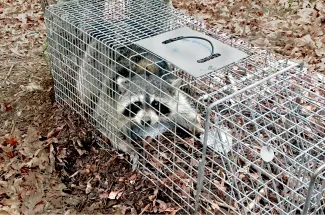
One of the greatest benefits of regulated trapping is wildlife damage management. Certain species, such as beavers, raccoons and coyotes, adapt quickly to human environments. And when their numbers grow too high, they can cause appreciable damage.
Beavers build dams, which can create flooding and can cause millions of dollars in damage every year. Burrowing animals like muskrats weaken dams, dikes and property foundations, racking up high repair bills. Coyotes and foxes prey on livestock, poultry and pets. But controlled trapping provides a practical way to remove problem animals, thereby protecting personal property, public infrastructure and agriculture.
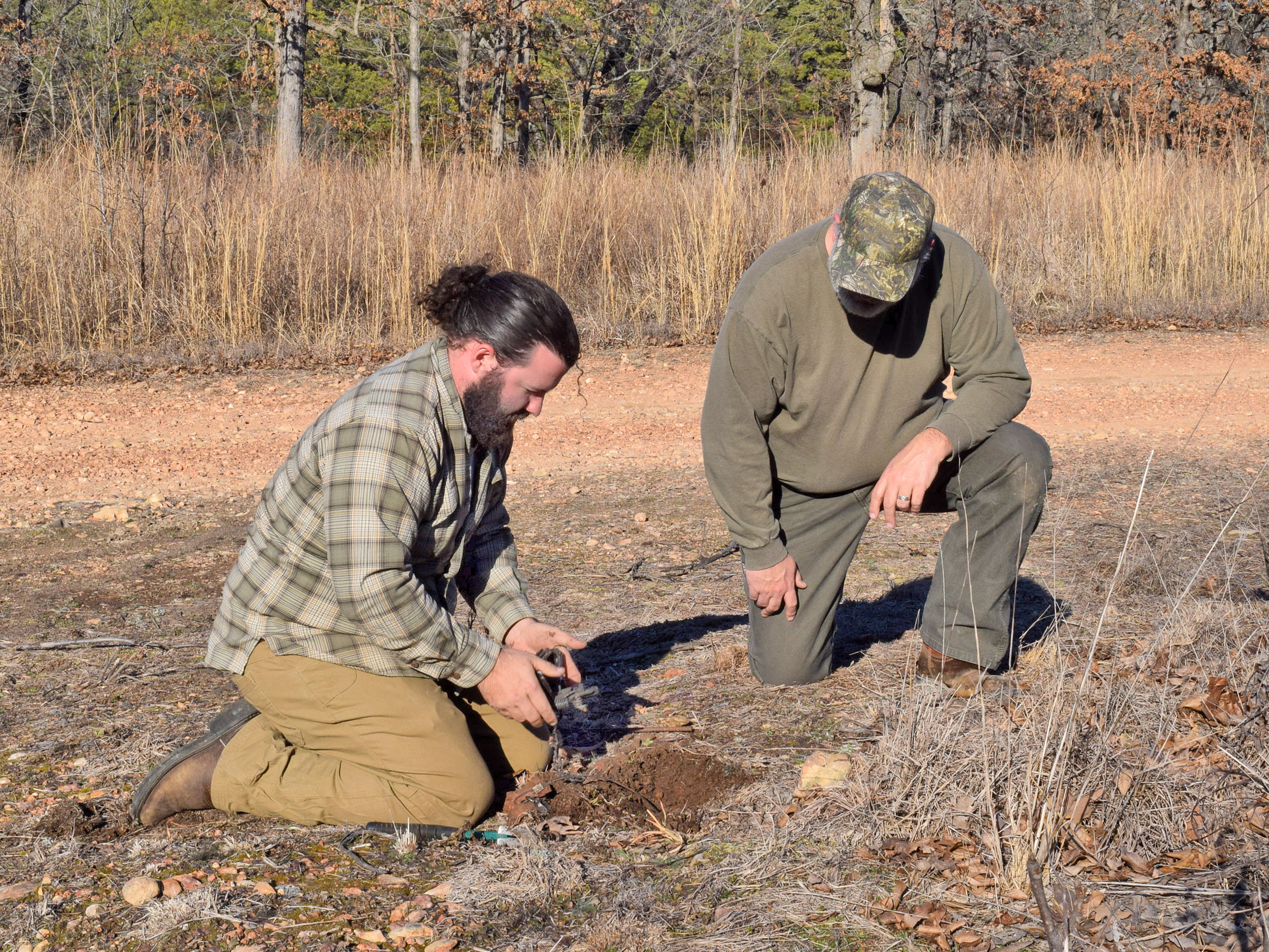
Trapping plays a role in protecting public health and safety. Wild animals can carry dangerous diseases that can spread to people, pets and livestock. Rabies, distemper, leptospirosis, and raccoon roundworm are notable threats in areas with dense wildlife populations.
When populations of disease carriers become too large, disease outbreaks can happen rapidly. Trapping can keep animal numbers at reasonable levels, helping to slow the spread of diseases.
Trapping is an important tool for ecological conservation. It helps wildlife biologists help other species. For example, excessive numbers of predators like raccoons, skunks and opossums feed heavily on the eggs of ground-nesting birds, including wild turkeys and northern bobwhites.
Removing specific predators from key habitats gives fragile populations a chance to recover.
Biologists also use specialized live traps to capture animals safely for research, tagging or relocation to areas where species are being restored.
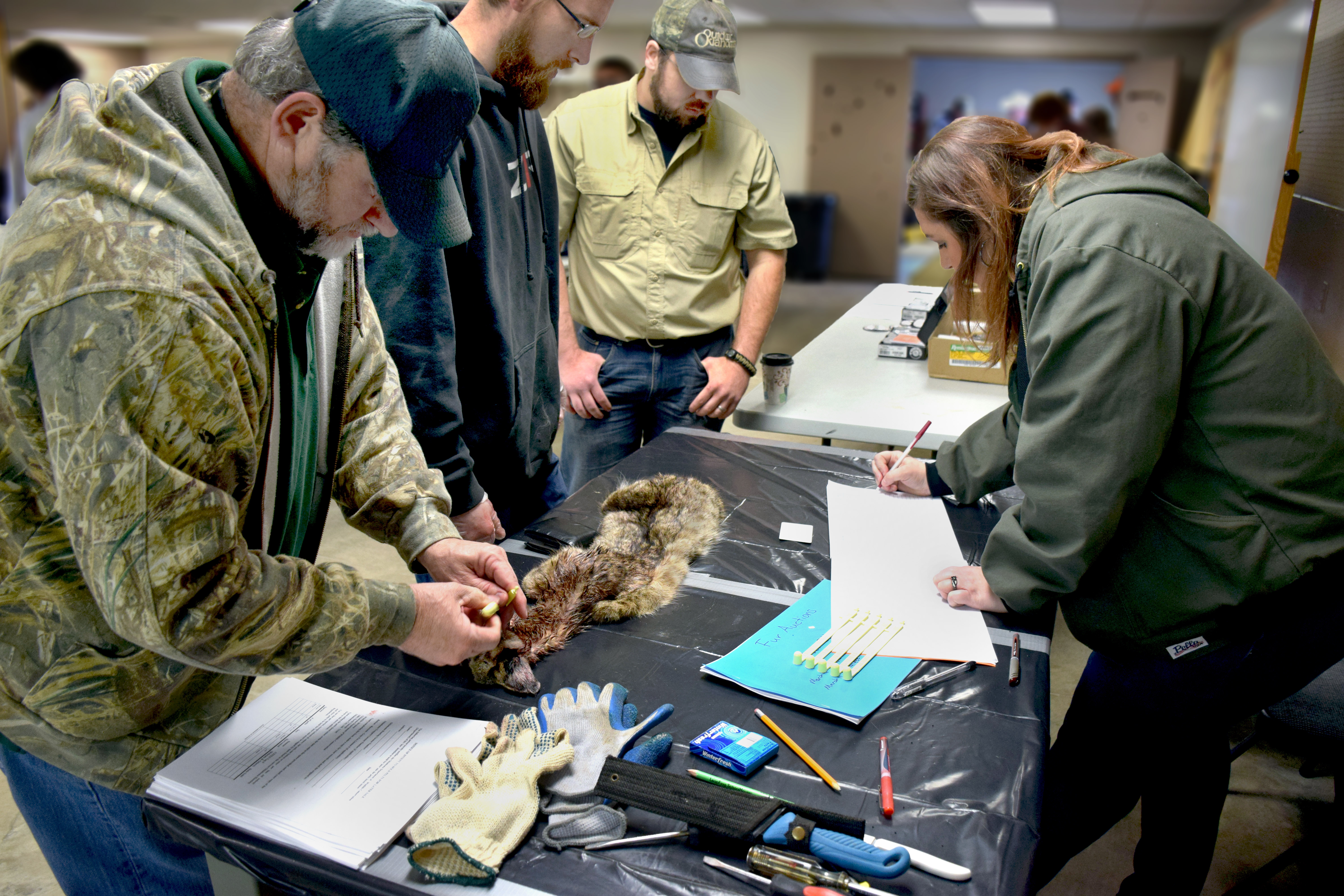
Additionally, regulated trapping supports wildlife research and funding. State wildlife departments use data gathered from regulated trappers to track population trends, monitor disease outbreaks, and adjust harvest limits.
The money generated from trapping licenses directly supports conservation programs that help hunted and non-hunted species. Trapping also provides natural, renewable materials like fur, which is a durable, biodegradable alternative to synthetic fabrics made from petroleum.
But several misconceptions continue to surround trapping. A frequent misunderstanding is that trapping causes species to become endangered. In reality, modern trapping is strictly regulated based on scientific research. Biologists enforce clear seasons, limits and location restrictions to ensure populations remain abundant and healthy.
Unregulated commercial market hunting ended over a century ago, and today’s regulations guarantee sustainability. None of the species that are trapped is in danger of extinction.
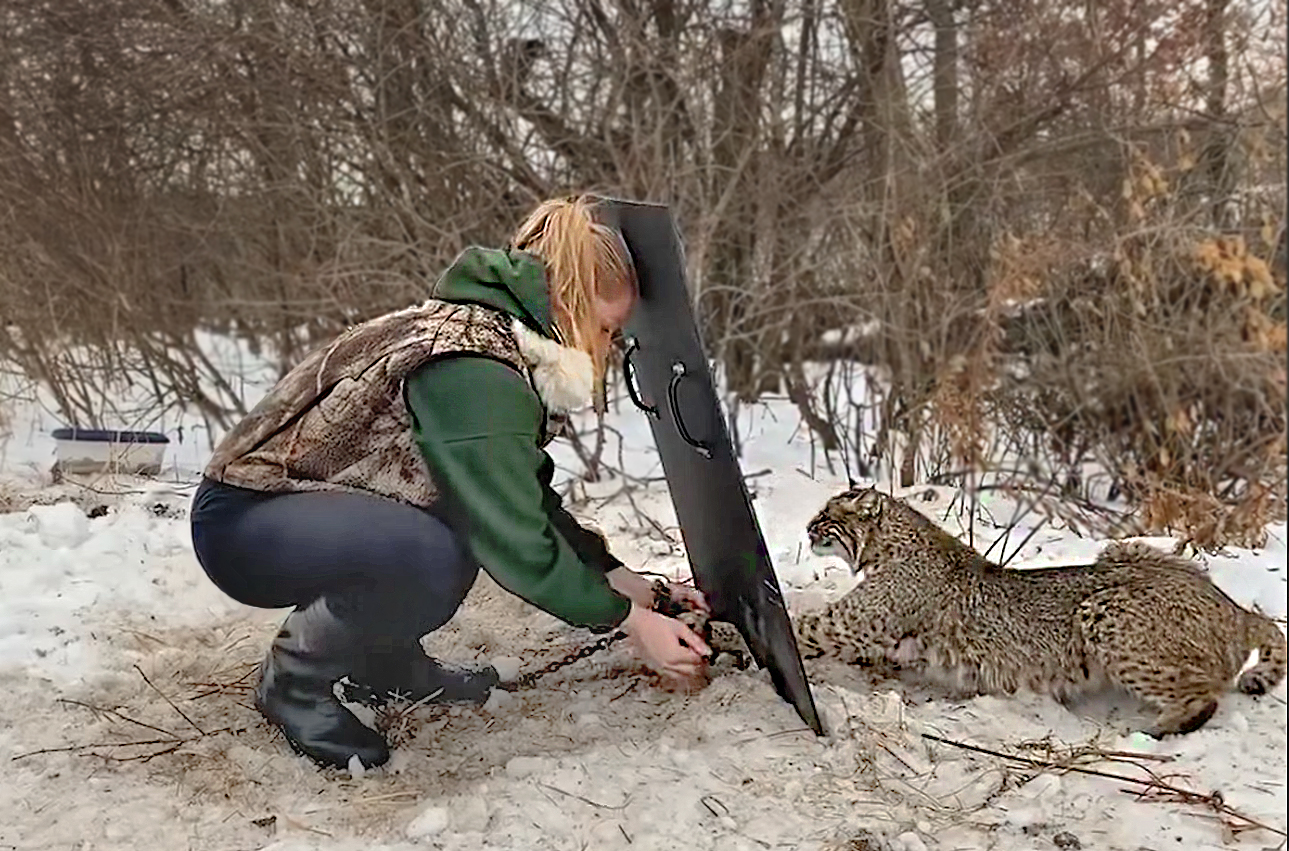
Another common belief is that modern traps are harmful and indiscriminate. In reality, trappers must use state-approved devices designed through decades of scientific research about trapping. These guidelines are known as Best Management Practices, and they ensure traps are highly selective, quick and humane, minimizing distress and avoiding non-target animals. State regulations also require trappers to check their traplines frequently, often every 24 hours, so captured animals are handled promptly.
Today’s traps are designed to either hold an animal or quickly dispatch the animal. When using traps that hold animals, trappers are able to either harvest the animal or release it unharmed. The latter option is especially helpful if the trapper accidentally captures a species that isn’t being targeted.
Regulated trapping is a scientifically backed wildlife management tool that protects property, safeguards public health, aids other species, and supports overall ecosystem balance. By separating historical myths from regulated modern practices, society can appreciate the practical benefits trapping provides to wildlife and to society.