Whether you’re a seasoned hunter with decades of experience working alongside hunting dogs or just beginning to train your first four-legged companion, having a well-stocked field kit is essential. Your kit should include items for safety and emergency care to ensure your hunting dog stays healthy and ready for the challenges of the field. Dogs are the best hunting companions a person can have, and being prepared for the unexpected is a key part of that relationship. This article focuses on assembling a field kit tailored for upland game hunting, but the principles and items can be adapted for other types of hunting, such as waterfowl, furbearer hunting, etc.
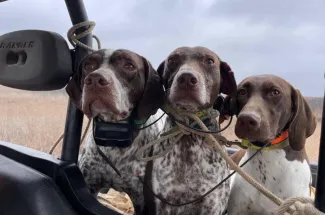
Veterinarian
Before diving into the essentials of a safety field kit, it’s crucial to emphasize the importance of having a trusted veterinarian who understands the specific needs of sporting dogs. Finding the right vet can make all the difference in your dog’s overall well-being. Gun Dog Magazine provides an excellent resource on this topic in this article:
“The Best Way to Select a Veterinarian for Your Sporting Dog.”
Preparation & Prevention
Aside from having a good veterinarian in your corner, preparation and prevention are critical to keeping your bird dog(s) healthy.
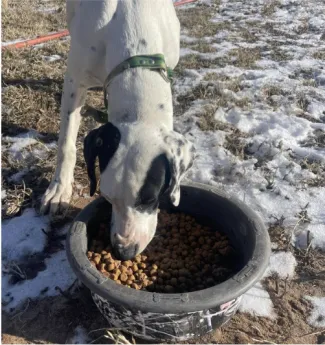
Nutrition: “A high-fat, high-protein diet is best for an active hunting dog,” according to Karl Gunzer (experienced dog trainer and Senior Manager of the Nestle Purina PetCare Team). Karl goes on to note that “Carbohydrates need to be a part of the mix too. Purina Pro Plan Performance, for example, is 30% protein and 20% fat, the rest of the volume being moisture, micronutrients, and carbohydrates. Research has shown that to be an excellent ratio for a performance food.” Feeding your dogs the night before a big hunt gives them time to properly digest their food. After a long hunt, dogs can lose their appetite when energy is critically needed. To entice them to eat, mix a can of wet dog food with their dry food.
Understanding Nutrition and Energy Needs in Your Hunting Dog
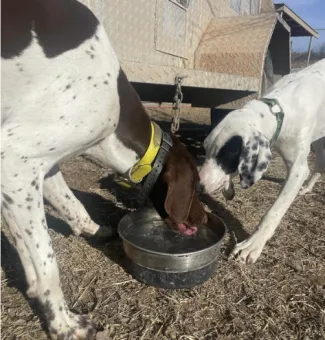
Hydration: Hydration is crucial for hunting dogs. Always have fresh, clean water with you and give your dog's plenty of breaks to keep them hydrated. Using an electrolyte is also something you can use to prevent dehydration in your dogs. Gatorade is not a safe option, but you can purchase “Pedialyte”, “Doggie Water” or other brands that are safe for dogs. (Always consult with your vet to determine what is best for your K9 friends). Carrying water into the field for your hunt is a must. Simply carry water bottles in the pockets of your hunting vest. You can take regular bottled water or purchase specialty water bottles for sporting dogs.
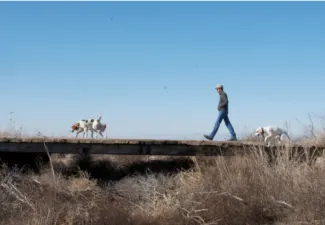
Conditioning: Start conditioning your dogs for hunting season at the very least two to three months in advance (year-round workouts are even better). Take your dogs for long walks and let them run two to three times a week. This is good for conditioning
to get ready for upland game hunting as well as your four-legged hunting friends. If your dog does not seem tired at the end of your outing, it was not enough. They should be “dog tired” at the end of your outings.
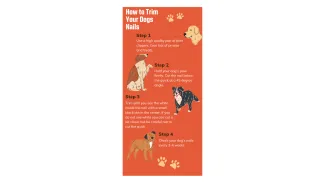
Trimmed nails: Without regular nail care, dogs risk painful injuries like splits and infections, reduced agility, and discomfort if nails press into their paw pads. Keeping your dog's nails trimmed ensures better traction, balance, and performance in the field, helping them stay agile and effective in any environment.
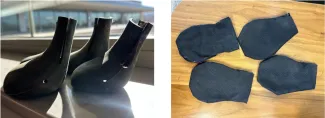
Healthy paws: Sore, raw, or bleeding paws can sideline even the fittest dog in rugged terrain. Use dog boots to prevent and protect your dogs’ paws in the field. You can make your own dog boots or purchase them. Secure dog boots with duct tape. Wrapping them snugly-not too tightly-with duct tape ensures they will stay on longer. You can use vet wrap for a base before putting the boots on. Examine your dog's paws at the end of your hunts. Cuts, stickers, sandburs etc. can cause sore paws and slow your dog's down.
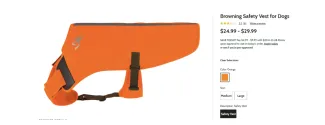
Dog vests: They're incredibly practical for hunting dogs. These vests enhance visibility while providing essential protection for your dog’s chest and core. They shield against briars, sticks, and cold weather, and even offer a layer of defense against hazards like barbed wire. Stylish and functional, what’s not to love?
Dog Safety Kit Essentials
Whether you choose to build your own or purchase a pre-assembled kit, such as the Field Trauma Aid kit GunDog Outdoors you can customize it to suit the unique needs of your canine companions. Preparing a well-equipped kit ensures you're ready to handle any unexpected situations that may arise while hunting. It’s always better to be safe than sorry when it comes to your loyal four-legged hunting partners. You can purchase most items below at your local store or check with your vet.
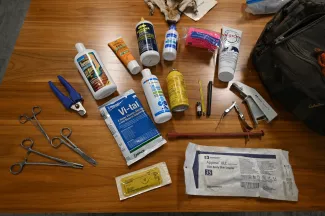
- Eye wash and ear cleaning solution: Examine and clean your dog's eyes and ears after each hunt.
- Wound powder: Helps to quickly stop bleeding and promote clotting in minor cuts or injuries.
- Antiseptic wound dressing, topical solution: Prevents infection by cleaning and covering wounds in the field.
- Topical analgesic: Provides immediate pain relief for injuries or sore spots.
- Stapler: Used for closing deep cuts or lacerations when stitches aren’t feasible and you cannot get to a veterinarian quickly.
- Nail trimmer: Maintains nail health or addresses broken nails that could cause pain or hinder movement.
- Thermometer: Monitors for signs of fever, heat exhaustion, or hypothermia in varying conditions.
- Syrflex bandage: Secures dressings or provides support for sprains or injuries.
- Pre-strung needle: Allows for quick suturing of wounds if necessary.
- Electrolytes: Rehydrates and replenishes minerals for dogs after extended activity.
- Hemostat: Clamps bleeding vessels or assists in removing small foreign objects.
- Wire cutter: Cuts through snares, traps, or barbed wire fencing that dogs might encounter.
- Hydrogen peroxide (not pictured): Cleans wounds or induces vomiting in case of ingestion of harmful substances.
- Iodine: Disinfects wounds or surgical sites effectively.
- DMSO: Relieves pain and inflammation in strained or sprained muscles and joints.
- Needle-nose pliers or forceps: Remove burrs, quills, or other foreign objects embedded in the skin.
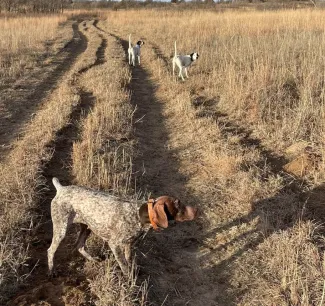
Enjoy the thrill of upland game hunting as you watch your dogs in action. Their work is truly the most rewarding part of the experience! Special thanks to ODWC Director Wade Free for sharing insights into his own dog safety field kit. He left our meeting with this quote: “A bird dog is a highly specialized four-legged athlete that you have to get ready for the season. You wouldn’t throw football players onto the field without preconditioning them first, and the same goes for your dog. Preconditioning and preparation determine the success of your season and the health of your dog.”