A canvasback duck decoy hand-carved in Oklahoma has become a meaningful tradition the past several years among Central Flyway waterfowl biologists.
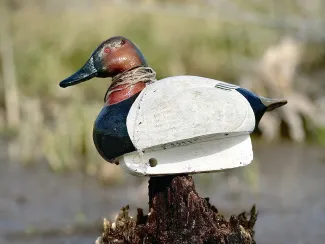
Kelvin Schoonover, wildlife biologist for the Oklahoma Department of Wildlife Conservation at Hackberry Flat Wildlife Management Area, carved the decoy with the idea that it would be passed from one Central Flyway biologist to the next, with each one hunting over it before sending it farther down the flyway.
The decoy body was carved out of western redcedar and the head out of sugar pine. Oil-based paint and combed feathers add realism. The decoy is fitted with a longer-than-usual twisted clear monofilament line to be as discrete as possible for weary canvasbacks in clear, deep water. A custom weight with “CFWB” stamped into it completes the rigging, which stands for Central Flyway Wildlife Biologists.
Beyond the miles it traveled, the decoy created an opportunity for biologists to step away from daily responsibilities and get out into the field. Passing the decoy along encouraged each recipient to make time for a hunt, share the experience with colleagues or friends, and reconnect with the reason many of them entered the profession.
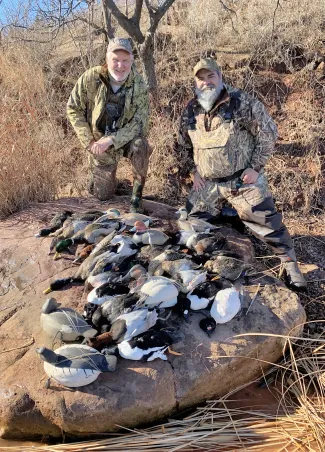
The decoy was a common thread that brought the group together through firsthand experiences on the water rather than just the usual meetings and conference calls.
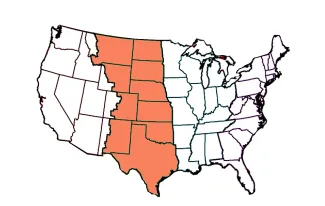
During its first season in 2024, the decoy began its journey in North Dakota, then moved south through South Dakota, Nebraska, Kansas, Oklahoma, and ultimately finished the season on the Texas coast. That year concluded with a storytelling session at the annual Central Flyway Wing Bee, a large gathering of waterfowl biologists, where the canvasback caretakers from each state shared their stories of the hunts and the experiences tied to the decoy.
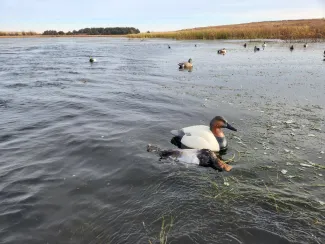
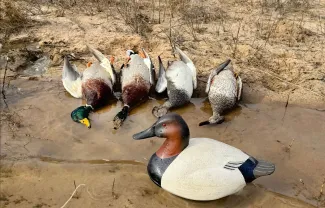
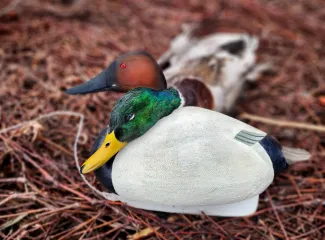
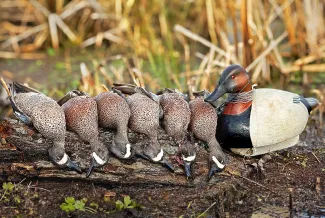
This past season, the canvasback decoy shifted to the western tier for the Central Flyway, starting in Montana and continuing through Wyoming and Colorado before completing its final hunt in New Mexico.
Over the past two years, the decoy has been used in duck hunts in all 10 Central Flyway states, serving as a unique way for these waterfowl biologists to share their passion for waterfowl hunting and wetland conservation.
What started as a hand-carved decoy has become a lasting reminder of the connections that unite waterfowl biologists across the flyway. And no doubt it’s a story that will be told for years to come.
This story was first shared in the November/December 2026 issue of Outdoor Oklahoma. Learn more about the magazine and how to be a subscriber at wildlifedepartment.com.