Oklahoma Bats
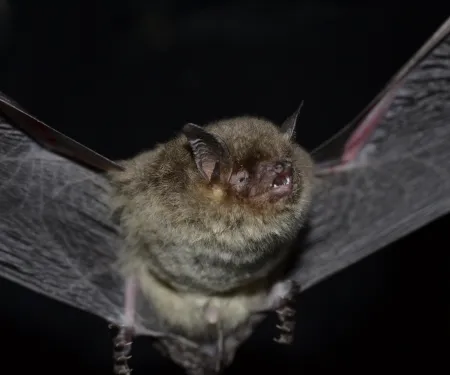
Whether flying low over the ground with gracefully slow and deliberate wing strokes or erratically high above a stream, bats are fascinating to watch.
Hack and Squirt
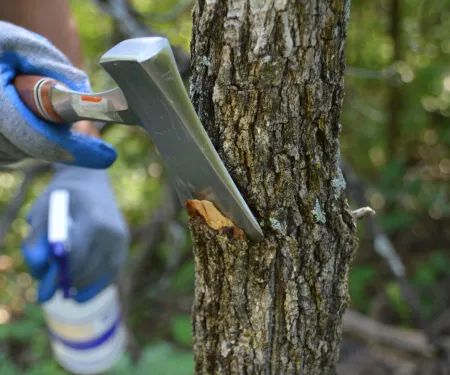
Hack and squirt is one timber management method that can improve forestland quality.
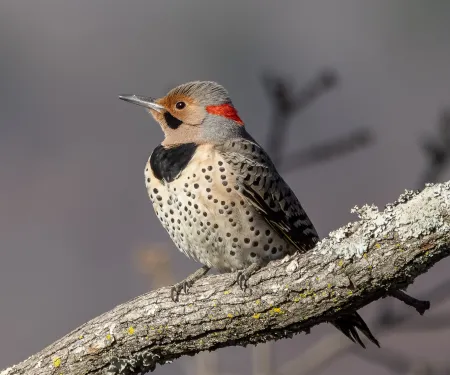
Holes for Homes: Cavity Nesting Birds
Dozens of Oklahoma bird species are considered "cavity nesting birds" and build their nests in a cavity of a hollowed out tree or in man-made nest boxes.
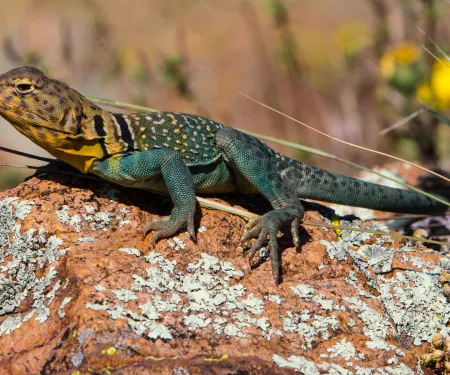
The Burning Question: How are reptiles and amphibians affected by prescribed fire?
We check in with a wildlife biologist to find out how reptiles and amphibians are affected by prescribed fire. The answer: Biologists and researchers alike maintain prescribed fire is an important habitat management activity for these creatures, just as it is for birds, mammals, and invertebrates.
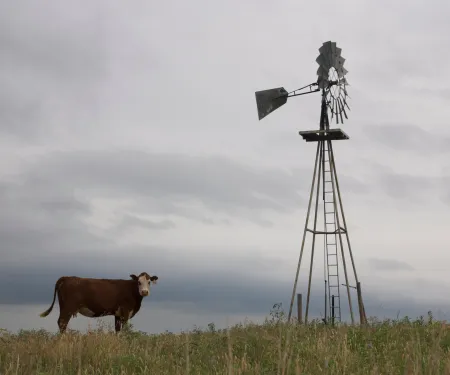
A Closer Look at Prescribed Grazing
We dive into a popular wildlife management tool and show how to determine stocking rates on your property.
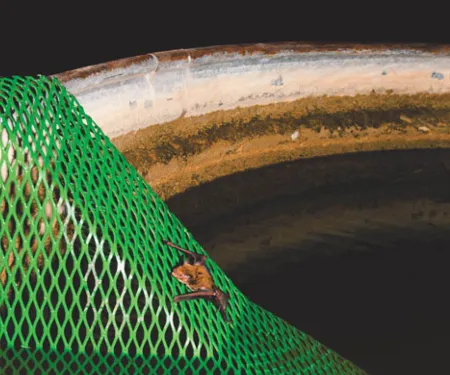
Escape Ramps Benefit Livestock and Wildlife
Escape ramps are a simple, low-cost solution that can help reduce the risk of wildlife drownings in stock tanks.
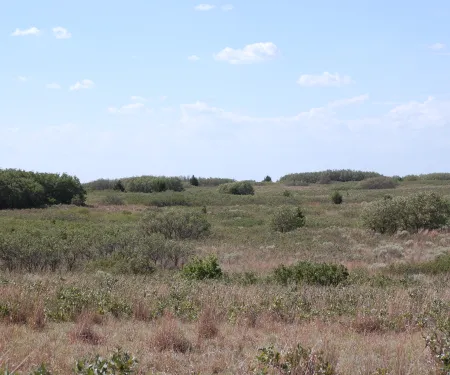
Vegetation Notes: Shinnery Oak
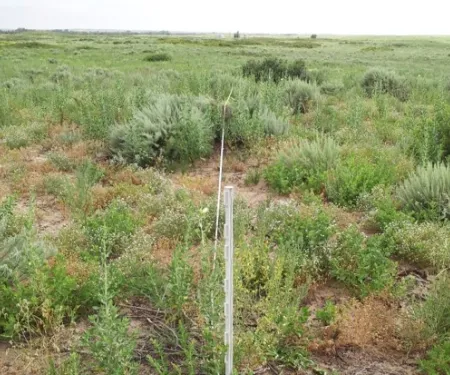
A three-foot oak tree is nothing to write home about, until you realize the presence of shinnery oak in the western part of the state is a real plus for some of Oklahoma’s wildlife species.