If you’re lucky enough to have harvested a deer this season, don’t toss that fat! Turn it into beautiful, useful tallow! Rendering tallow is simple and sustainable, giving you a creamy, long-lasting fat perfect for cooking, skincare, candles, and more. With just a slow cooker, a little time, and some care, you can transform deer fat into a pure, golden treasure that honors your harvest and keeps waste to a minimum. Save the fat and make tallow!
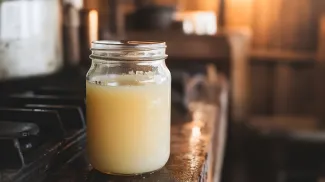
The best part? It’s simple to make! If I can do it, you can, too.
1/3 Gather and Clean Your Fat
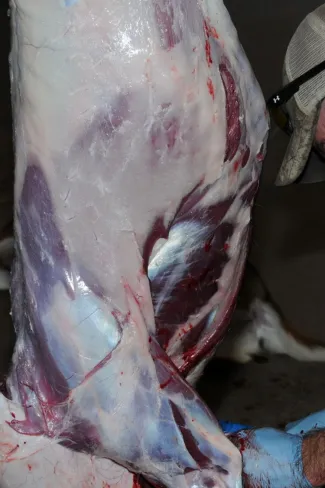
When you’re processing your deer, you’ll spot the fat easily. It is the white, firm layer along the meat. Trim it off and take it home to clean it well, removing any blood, grass, or bits of meat.
If you’re not ready to render it right away, just pop it into a ziplock bag and freeze it. Raw fat isn’t shelf-stable, but it keeps perfectly in the freezer until you’re ready to work with it.
2/3 Try the "Wet Method"
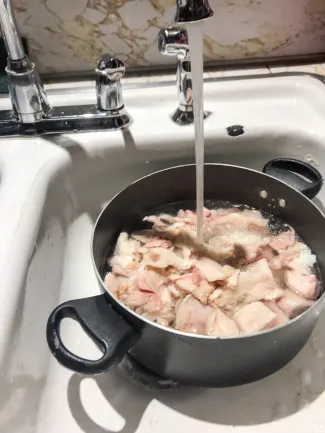
This is my favorite way to render tallow for several reasons. It's simple, helps remove impurities, and doesn't produce a strong odor.
Here’s how:
Once the fat is chilled, chop it into half-inch pieces. If you spot a small red round bit, that’s possibly a scent gland. It can smell unpleasant, so cut around it and discard it.
Into the crockpot it goes! Add the fat to your crockpot along with one cup of water and about one tablespoon of salt for every pound of fat. The salt helps draw out impurities. If you prefer, you can also render the fat on the stove in a stock pot. Just be sure to keep an eye on it as it cooks. The crockpot method is great for convenience, though, since you can let it simmer overnight or while you’re away at work.
Simmer the fat on low heat for at least eight hours, allowing it to slowly melt down and separate any remaining solids or connective tissue from the pure tallow. This is called “rendering”. If you’d like to extract even more tallow from the fat, you can use an immersion blender to break up the fat pieces. This step is optional, but it can help release a bit more tallow. After blending, continue cooking on low, letting the fat fully render into a rich, clean tallow.
When it’s ready, you’ll see a beautiful golden liquid on top. That is your tallow! Pour one cup of water into a bowl or a deep pan. Line a colander with cheesecloth, then carefully pour the tallow mixture through the colander into the water. What's left behind on the cheesecloth are the cracklings - small crispy bits of browned fat and tissue that can be discarded.
3/3 Cool, Clean, and Store
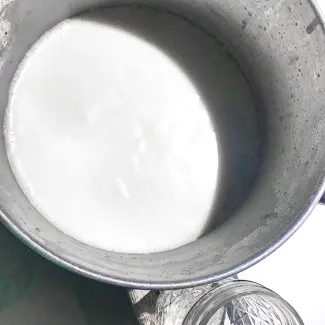
As the tallow cools, it’ll solidify into a creamy white block on top of the water. You can speed this up by putting it in the fridge.
Once it’s firm, lift it out, pat it dry with a paper towel, and scrape off any impurities with a butter knife. If it still smells strong or looks cloudy, you can melt and strain it again for an even cleaner result.
When it’s dry and pure, store it in mason jars or tins. The best part about this is that it keeps indefinitely at room temperature!
Ways You Can Use Your Homemade Tallow
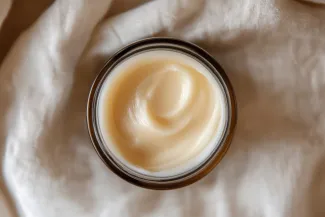
Make a rich hand balm
Use it to season cast iron
Blend it into soap or candles
Try it as a natural fire starter
Cook with it (it has a high smoke point)
Leather care
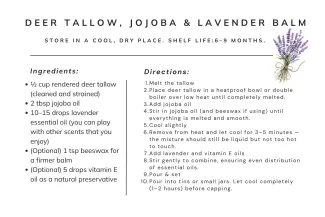
Homemade tallow makes a great Christmas gift made with love! Whether you’re making tallow for the first time or refining your yearly tradition, remember that this process is about more than just making something useful; it’s about honoring your harvest and embracing the outdoors. Every jar of tallow is a small act of respect for the animal and a testament to your resourcefulness. Here’s to slow, intentional living, and to never letting good things go to waste.
In Oklahoma, deer archery season runs from Oct. 1 through Jan. 15 each year. The 2025 deer gun seasons from Nov. 22 to Dec. 7 to and the holiday antlerless deer gun season runs from Dec. 18 to Dec. 31.