When I’m out talking to landowners, there is one phrase I hear quite often. “This place will look a whole lot better when I get it cleaned up.”
Sometimes they are right; but often, when it comes to improvements for wildlife, they are mistaken.
I don’t know why, but we as humans seem to think things are best if segmented. We do it with our houses (kitchen, bedroom, bathroom), we do it with our food (meat, potatoes, vegetables), our clothes, our time, and we especially do it with our properties. Heaven forbid we mix things up. Imagine what someone would think if they found a refrigerator in your bathroom, or if you kept your clothes in a pile in the cabinet. Think of the remarks that would be made if someone served a casserole as a formal dinner.
But wildlife like it mixed up. Most wildlife prefer, and many of them need, a heterogeneous environment. This is just a $100 way of saying that wildlife enjoy a diverse landscape. However, a property that has several different types of habitat (i.e. forest, riparian, and range) can still provide only marginal habitat for wildlife.
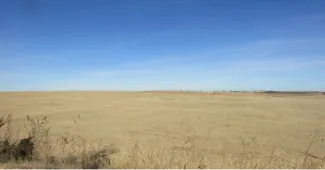
When I’m looking at a property and judging its suitability for wildlife, the first thing I examine is its macro, or large-scale, diversity. Things like fingers of timber left running out into agriculture fields, patches of native grass in forest openings, mottes of trees and shrubs that have been left mixed in with rangeland.
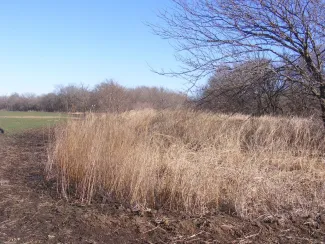
After looking at the overall macro diversity of a property, I then look at the micro diversity. As humans, we like our monoculture yards to be mowed a uniform height, we like our trees in evenly spaced rows and separated by species. But wildlife like a mixture of grasses and forbs of varying heights, areas of bare ground, and a mix of shrubby tree species like sand plum, sumac and shinnery oak. Diversity in forests consists of a mixture of species and age classes. Pecan orchards and oak parks may look pretty good to us, but they don’t really provide wildlife much benefit. Species mixture should include not only trees, but other woody and herbaceous vegetation. Collectively, this provides a combination of hard and soft mast, browse, as well as cover and shelter.
So, if you have plans to improve your property for wildlife, I would ask you to stop and reconsider. Are your improvements merely aesthetically pleasing, or are they going to enhance the value of your property for wildlife? It may look pretty to you, but for the wildlife that live there, the difference will be a beautiful thing.
Are you a landowner in Oklahoma? The ODWC offers several landowner programs to help manage and enhance habitat for wildlife.